
Tunnels Underground: Modern Solutions for Safe and Efficient Infrastructure
Tunnels underground are essential for supporting modern infrastructure needs. They improve transportation systems, protect valuable surface space, and enable efficient utility networks.
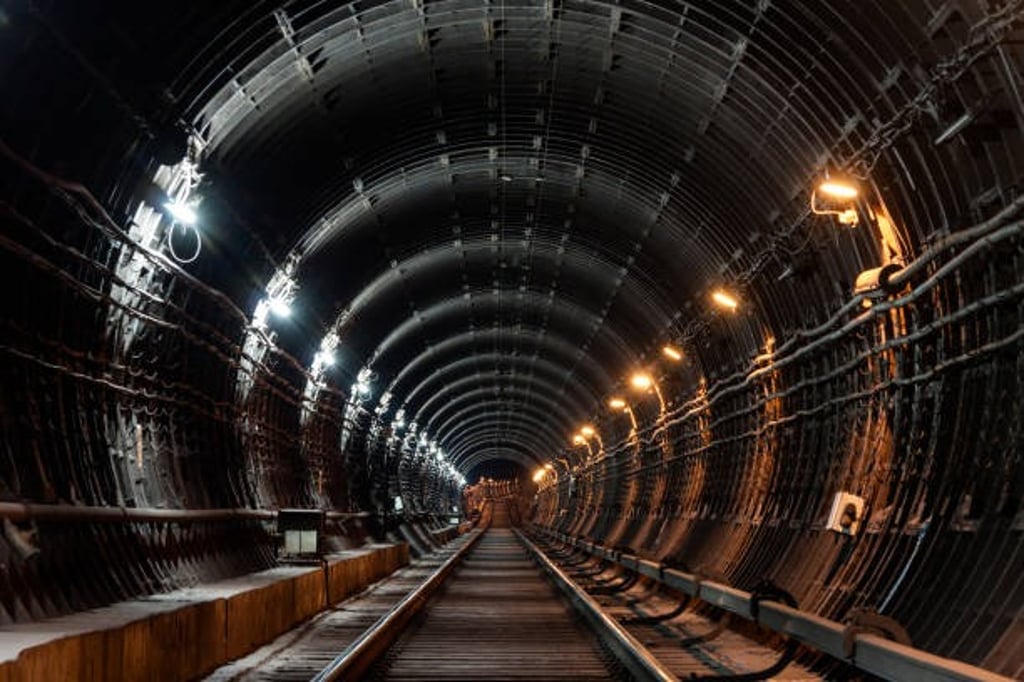
Modern infrastructure projects require innovative solutions to support growing urban populations and complex transportation networks. Efficient underground systems help reduce surface congestion while improving connectivity and utility management. Advanced construction methods and engineering technologies continue to transform how these projects are planned and delivered. Tunnels underground play a vital role in creating safe, durable, and sustainable infrastructure for the future.
The Importance of Tunnels Underground in Modern Infrastructure
Tunnels underground provide practical solutions for infrastructure challenges. They allow transportation routes, utilities, and communication networks to pass beneath busy urban areas without disrupting daily activities.
These structures maximize land use and help preserve valuable surface space. They also reduce environmental impacts by minimizing the need for large-scale surface construction.
Governments and developers increasingly rely on underground tunnels to support long-term infrastructure growth and improve public services.
Understanding Underground Tunnel Construction
Planning and Site Assessment
Successful underground tunnel construction begins with detailed planning. Engineers analyze geological conditions, soil stability, groundwater levels, and environmental factors before construction starts.
Accurate site assessments help identify potential risks and determine the most suitable construction methods for each project.
Excavation and Construction Methods
Different techniques are used depending on the project requirements. Tunnel boring machines are often used for large-scale projects. Traditional drilling and blasting methods may be applied in specific geological conditions.
Modern excavation methods focus on efficiency while minimizing disruptions to surrounding structures and communities.
Structural Support Systems
Support systems are essential during underground tunnel construction. These systems help maintain tunnel stability and prevent ground movement.
Concrete linings, steel reinforcements, and specialized support structures are commonly used to ensure long-term durability and performance.
The Role of Tunnel Engineering Solutions
Advanced Design Technologies
Tunnel engineering solutions have evolved significantly in recent years. Engineers now use advanced modeling software and digital simulations to improve project planning and execution.
These tools help identify potential issues before construction begins. As a result, projects can be completed more efficiently and with fewer delays.
Sustainable Infrastructure Development
Sustainability has become a major focus in modern infrastructure projects. Tunnel engineering solutions support environmentally responsible development by reducing surface disturbances and protecting natural landscapes.
Energy-efficient systems, sustainable materials, and optimized construction processes contribute to greener infrastructure projects.
Improved Project Efficiency
Innovative engineering approaches streamline construction processes. They help reduce costs, improve productivity, and enhance project outcomes.
Efficient planning and execution are especially important for large-scale underground infrastructure developments where precision is critical.
Why Tunnel Safety Is a Top Priority
Worker Protection Measures
Tunnel safety is one of the most important aspects of any underground project. Construction teams operate in complex environments that require strict safety procedures.
Protective equipment, safety training, and continuous monitoring help reduce workplace risks and create safer working conditions.
Ventilation and Air Quality Management
Proper ventilation is essential in underground tunnels. Ventilation systems help maintain air quality and remove dust, gases, and other contaminants.
Effective air management supports both worker safety and operational efficiency throughout the construction process.
Emergency Response Planning
Comprehensive emergency response plans are necessary for underground projects. These plans ensure that workers can respond quickly to unexpected situations.
Regular safety inspections and emergency drills help maintain high safety standards and improve overall project readiness.
The Future of Underground Tunnels
The future of tunnels underground looks promising. Growing urban populations and increasing infrastructure demands continue to drive innovation in the industry.
Emerging technologies such as automation, smart monitoring systems, and advanced construction equipment are improving project performance. These innovations enhance safety, increase efficiency, and support sustainable infrastructure development.
As infrastructure requirements evolve, underground tunnels will remain a critical component of transportation, utility, and development projects worldwide.
Why Choose Scan Build for Underground Infrastructure Projects
Scan Build understands the complexities involved in underground infrastructure development. With a focus on quality, safety, and engineering excellence, the company delivers solutions that meet modern construction standards.
By utilizing advanced construction methods and prioritizing tunnel safety, Scan Build supports efficient project delivery and long-term infrastructure success.
Conclusion
Tunnels underground are essential for supporting modern infrastructure needs. They improve transportation systems, protect valuable surface space, and enable efficient utility networks. Through advanced underground tunnel construction methods, innovative tunnel engineering solutions, and a strong commitment to tunnel safety, infrastructure projects can achieve lasting success. As technology continues to advance, underground tunnels will play an even greater role in building safe, efficient, and sustainable communities.
FAQs
1. What are tunnels underground used for?
Tunnels underground are commonly used for transportation systems, utility networks, mining operations, and infrastructure development projects.
2. What is underground tunnel construction?
Underground tunnel construction is the process of designing, excavating, and building tunnels beneath the ground using specialized engineering methods and equipment.
3. Why is tunnel safety important?
Tunnel safety protects workers, equipment, and infrastructure. It helps prevent accidents and ensures successful project completion.
4. What are tunnel engineering solutions?
Tunnel engineering solutions include design methods, construction technologies, structural support systems, and project management techniques used to build safe and efficient tunnels.
5. How do underground tunnels support sustainable infrastructure?
Underground tunnels reduce surface disruption, preserve land resources, improve transportation efficiency, and support environmentally responsible infrastructure development.
Disclaimer
The information provided in this article is general in nature and is intended for informational purposes only. Infrastructure requirements, engineering solutions, and regulatory obligations vary between projects. Professional advice should be obtained for project-specific requirements and compliance considerations.
+61 407 923 777
steve@scanbuild.com.au
Newcastle | Hunter | Central Coast | Sydney
© 2026 ScanBuild. All Rights Reserved. | Privacy Policy | Terms & Conditions


Peace of Mind.


REACH US