The Complete Guide to Tunnels Underground and Efficient Tunnel Construction
Underground tunnels are transforming modern infrastructure. Learn how accurate surveying, advanced technology, and expert Tunnel Construction ensure project success.
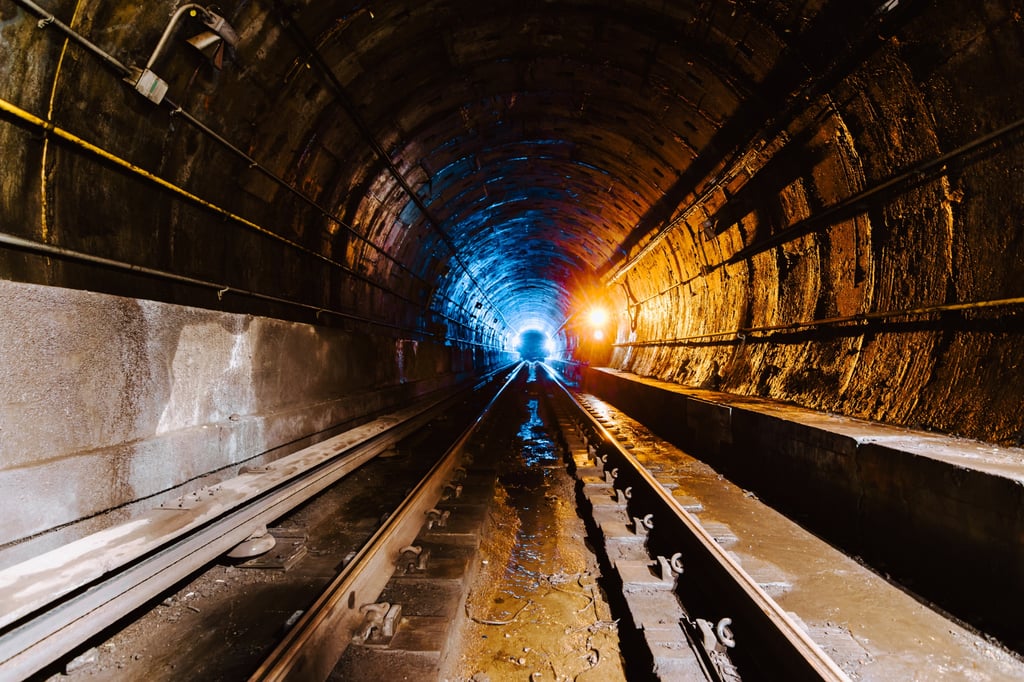
Underground infrastructure plays a vital role in supporting modern transportation, utilities, and urban development. As cities continue to grow, the demand for reliable underground networks increases. Engineers and construction professionals rely on advanced planning and accurate data to ensure project success.Tunnels underground are essential for creating efficient infrastructure while minimizing disruption to surface activities.
From transportation systems to utility corridors, underground tunnels provide practical solutions for a wide range of construction challenges. Proper planning, surveying, and construction techniques are critical for ensuring safety, efficiency, and long-term performance.
Understanding Tunnels Underground
Tunnels underground are engineered passageways built beneath the surface of the earth. They are commonly used for transportation networks, water management systems, utility installations, and mining operations.
These structures allow essential infrastructure to operate while preserving valuable surface space. They also help reduce traffic congestion and environmental impacts in densely populated areas.
Common Uses of Underground Tunnels
Underground tunnels serve many important purposes, including:
Road and rail transportation
Water supply systems
Drainage and stormwater management
Utility and communication networks
Mining and resource extraction
Each project requires careful planning to address site-specific conditions and engineering requirements.
Why Tunnel Construction Requires Detailed Planning
Tunnel Construction is one of the most complex areas of modern infrastructure development. Every project involves unique geological, environmental, and engineering challenges.
Accurate planning helps minimize risks and improves project efficiency from the beginning.
Geological Investigations
Understanding ground conditions is essential before construction begins. Engineers must assess soil composition, rock formations, groundwater levels, and potential hazards.
This information helps determine the most suitable construction methods.
Route Design and Alignment
Selecting the correct tunnel alignment is critical for project success.
Proper route planning helps avoid obstacles, reduce construction costs, and improve long-term performance.
Safety Assessments
Safety remains a top priority throughout the construction process.
Comprehensive risk assessments help identify potential hazards and support the implementation of appropriate safety measures.
The Importance of Accurate Surveying in Tunnel Projects
Surveying plays a fundamental role in every stage of tunnel development. Accurate measurements provide the data needed for planning, design, construction, and ongoing monitoring.
Modern surveying technologies help improve accuracy and reduce project risks.
Supporting Design Accuracy
Reliable survey data ensures that engineers can develop precise designs that align with actual site conditions.
This reduces the likelihood of costly modifications during construction.
Monitoring Construction Progress
Regular surveys help track excavation progress and verify that construction activities remain within design tolerances.
Accurate monitoring improves quality control and project management.
Reducing Project Risks
Survey data helps identify potential issues before they become major problems.
Early detection supports better decision-making and minimizes delays.
Modern Technologies Used in Tunnel Construction
Advances in technology have transformed the way tunnels are planned and built. Modern tools help improve efficiency, accuracy, and safety throughout the project lifecycle.
3D Mapping and Modelling
Three-dimensional models provide detailed visual representations of tunnel designs and site conditions.
These models help stakeholders understand project requirements more effectively.
Laser Scanning Technology
Laser scanning captures highly accurate measurements of underground environments.
This technology supports planning, construction verification, and asset management activities.
Digital Data Management
Modern construction projects generate large amounts of information.
Digital systems help organize, analyze, and share project data efficiently.
Challenges Associated with Underground Tunnels
While underground tunnels offer many benefits, they also present unique challenges.
Ground Conditions
Unexpected geological conditions can affect construction schedules and costs.
Detailed investigations help reduce uncertainty and improve project planning.
Water Infiltration
Groundwater management is a critical consideration in many tunnel projects.
Proper drainage and waterproofing systems help protect tunnel structures over time.
Limited Working Space
Construction activities often take place in confined environments.
Careful planning and coordination are required to maintain safety and productivity.
Environmental Considerations
Tunnel projects must comply with environmental regulations and minimize impacts on surrounding areas.
Responsible planning helps support sustainable infrastructure development.
Benefits of Efficient Tunnel Construction
Efficient Tunnel Construction delivers significant advantages for infrastructure projects.
Improved Project Timelines
Well-planned projects can be completed more efficiently, reducing delays and disruptions.
Enhanced Safety
Modern technologies and accurate surveying improve worker safety and reduce operational risks.
Better Cost Control
Accurate planning and monitoring help prevent costly errors and unexpected expenses.
Long-Term Infrastructure Performance
High-quality construction practices contribute to durable and reliable underground infrastructure.
Supporting Tunnel Projects with Professional Expertise
Successful tunnel projects depend on accurate data and reliable surveying services. Professional support helps ensure that planning, design, and construction activities are based on precise information.
Scan Build provides advanced surveying and measurement solutions that support infrastructure and tunnel projects across Australia. Accurate data collection and analysis contribute to improved project outcomes and greater operational confidence.
Conclusion
Tunnels underground are an essential part of modern infrastructure development. They support transportation systems, utility networks, water management, and resource industries while maximizing the efficient use of surface space.
Successful Tunnel Construction requires detailed planning, accurate surveying, and modern technologies to overcome complex challenges. By investing in reliable data and professional expertise, project teams can improve safety, enhance efficiency, and deliver high-quality underground tunnels that serve communities for decades.
FAQs
1. What are tunnels underground?
Tunnels underground are engineered passageways built below the earth's surface for transportation, utilities, water management, and other infrastructure purposes.
2. Why is Tunnel Construction considered complex?
Tunnel Construction involves geological assessments, safety planning, environmental considerations, and precise engineering to manage underground conditions effectively.
3. What role does surveying play in tunnel projects?
Surveying provides accurate measurements and data that support planning, design, construction, and ongoing monitoring activities.
4. What technologies are commonly used in underground tunnel projects?
Technologies such as laser scanning, 3D modelling, digital mapping, and advanced surveying systems are widely used to improve accuracy and efficiency.
5. Why are underground tunnels important for modern infrastructure?
Underground tunnels help support transportation networks, utility systems, and water management while reducing surface congestion and preserving valuable land space.
+61 407 923 777
steve@scanbuild.com.au
Newcastle | Hunter | Central Coast | Sydney
© 2026 ScanBuild. All Rights Reserved. | Privacy Policy | Terms & Conditions


Peace of Mind.


REACH US