
Building Inspection Report: A Complete Guide for Australian Property Owners
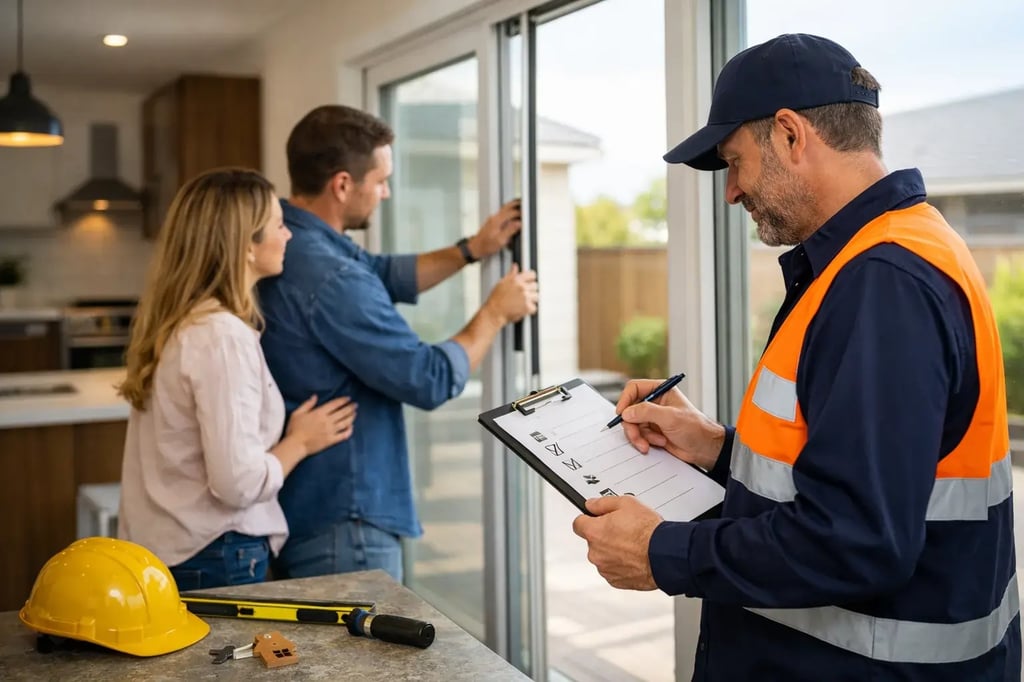
A building inspection report is an important tool for Australian property owners, buyers, and investors. It provides a detailed overview of a property's visible condition and helps identify maintenance concerns.
Building construction plays a vital role in Australia's growth and development. From residential homes to commercial facilities, construction projects help create functional and sustainable spaces for communities and businesses.
Successful building construction requires careful planning, quality workmanship, regulatory compliance, and efficient project management. Understanding the construction process can help property owners, developers, and investors make informed decisions and achieve better outcomes.
What Is Building Construction?
Building construction is the process of planning, designing, and constructing structures for residential, commercial, industrial, or mixed-use purposes. It involves multiple stages, including site preparation, foundation work, structural development, finishing, and final inspections.
Every construction project must meet applicable Australian regulations, building codes, and safety requirements. Compliance helps ensure that buildings are safe, durable, and fit for their intended purpose.
Importance of Professional Building Construction
Professional building construction delivers several benefits for property owners and developers.
Improved Safety
Safety remains one of the most important aspects of any construction project. Proper planning and quality construction methods help reduce risks during and after project completion.
Regulatory Compliance
Construction projects in Australia must comply with relevant building regulations and standards. Compliance helps avoid delays, penalties, and costly rectification work.
Long-Term Durability
Quality materials and skilled workmanship contribute to the long-term performance of a building. Durable structures typically require less maintenance and offer better value over time.
Efficient Project Delivery
Effective project management supports better scheduling, budgeting, and coordination between different trades and stakeholders.
Key Stages of Building Construction
Understanding the major stages of construction can provide greater clarity throughout the project lifecycle.
Planning and Feasibility
The planning phase involves defining project objectives, assessing site conditions, estimating costs, and identifying potential challenges.
Important considerations include:
Site suitability
Budget planning
Project scope
Regulatory requirements
Environmental considerations
Design and Documentation
During this stage, detailed drawings and specifications are prepared. These documents guide the construction process and support permit applications where required.
Site Preparation
Before construction begins, the site is prepared to accommodate the planned structure.
Common activities include:
Site clearing
Earthworks
Excavation
Utility assessments
Temporary site facilities
Structural Construction
This phase involves constructing the building's core structure.
Work may include:
Foundations
Concrete works
Structural steel
Framing systems
Roofing installation
Internal and External Finishes
Once the structure is complete, finishing works commence.
Examples include:
Wall linings
Flooring
Painting
Joinery
Cladding
Landscaping
Final Inspection and Handover
The completed project undergoes inspections to verify compliance with applicable standards and project requirements before handover.
Factors That Influence Building Construction Success
Several factors can affect project outcomes.
Quality Materials
Using appropriate construction materials contributes to structural integrity and long-term performance.
Skilled Workforce
Experienced professionals help maintain quality standards throughout the construction process.
Effective Communication
Clear communication between project stakeholders supports better decision-making and problem-solving.
Risk Management
Identifying and addressing risks early can help minimise disruptions and cost overruns.
Compliance Management
Maintaining compliance throughout the project helps support safety, quality, and regulatory requirements.
Sustainable Building Construction Practices
Sustainability is becoming increasingly important within the Australian construction sector.
Many projects now incorporate environmentally responsible practices that improve efficiency and reduce resource consumption.
Examples include:
Energy-Efficient Design
Buildings can be designed to improve thermal performance and reduce energy use.
Sustainable Materials
Selecting suitable materials may help reduce environmental impact while maintaining performance requirements.
Waste Reduction
Effective waste management strategies can improve resource efficiency during construction.
Water Management
Modern construction projects often include systems that support responsible water use and conservation.
Common Challenges in Building Construction
Construction projects can encounter various challenges throughout delivery.
Budget Pressures
Changes in material costs, labour availability, and project scope may impact budgets.
Scheduling Delays
Weather conditions, supply chain disruptions, and unforeseen site issues can affect project timelines.
Regulatory Requirements
Construction projects must comply with relevant approvals and standards throughout development.
Site Conditions
Unexpected ground conditions or environmental factors may require additional planning and engineering solutions.
Choosing the Right Building Construction Partner
Selecting an experienced construction team can significantly influence project success.
When evaluating a construction provider, consider:
Industry experience
Project management capabilities
Safety practices
Quality assurance processes
Communication standards
Understanding of Australian construction requirements
A professional approach helps support efficient project delivery while maintaining high standards of workmanship and compliance.
Conclusion
Building construction is a complex process that requires planning, expertise, quality control, and compliance with Australian regulations. Whether developing a residential, commercial, or industrial project, every stage plays an important role in achieving a successful outcome.
By focusing on safety, quality workmanship, sustainable practices, and effective project management, property owners and developers can create buildings that deliver long-term value and performance. Working with experienced construction professionals can help ensure projects are completed efficiently, responsibly, and in accordance with applicable Australian standards.
Frequently Asked Questions (FAQs)
What is building construction?
Building construction is the process of planning, designing, and constructing structures such as homes, offices, commercial facilities, and industrial buildings.
Why is compliance important in building construction?
Compliance helps ensure that buildings meet applicable safety, quality, and performance requirements established by Australian regulations and standards.
What are the main stages of building construction?
The main stages include planning, design, site preparation, structural construction, finishing works, and final inspection.
How long does a building construction project take?
Project duration depends on factors such as project size, complexity, site conditions, approvals, and construction requirements.
What factors affect construction costs?
Construction costs may be influenced by material prices, labour availability, project scope, site conditions, and design requirements.
+61 407 923 777
steve@scanbuild.com.au
Newcastle | Hunter | Central Coast | Sydney
© 2026 ScanBuild. All Rights Reserved. | Privacy Policy | Terms & Conditions


Peace of Mind.


REACH US