BIM in Construction Industry: Why It's Becoming Essential for Modern Project Success
Discover how BIM in construction industry projects improves collaboration, reduces rework, enhances accuracy, and supports smarter project delivery.
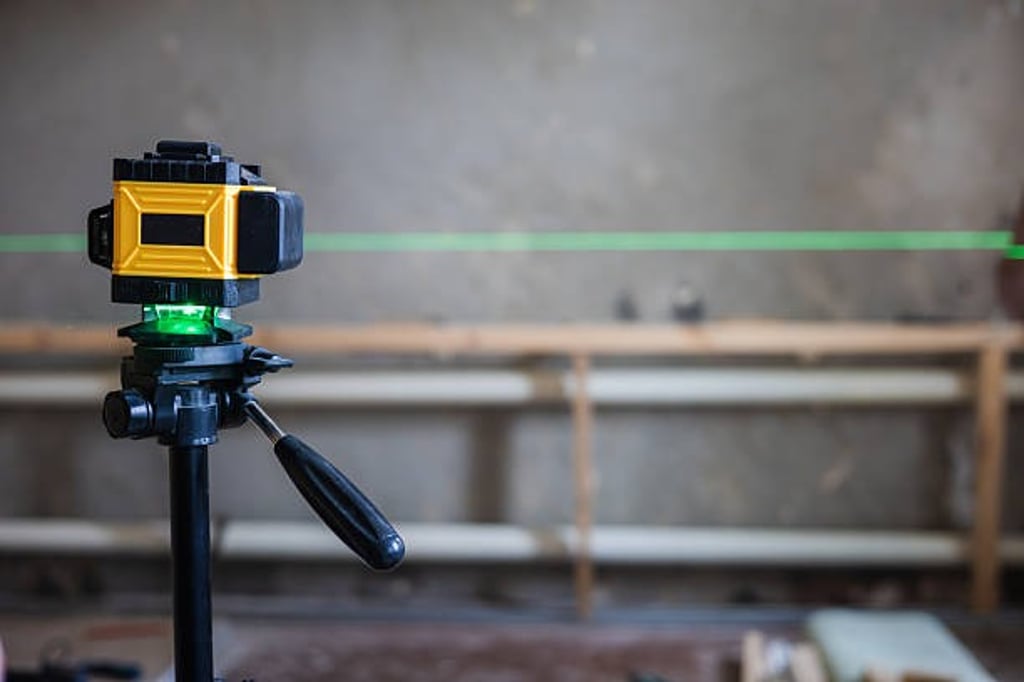
Construction has always been about precision. A few millimetres might not sound like much, but on a large project, small inaccuracies can quickly turn into expensive problems. A measurement that's slightly off, a design that doesn't match site conditions, or a fabricated component that doesn't fit as expected can create delays that affect an entire project.
That's why the construction industry is becoming increasingly focused on digital technologies that improve accuracy from the very beginning. Among the most talked-about innovations are 3D printing and LiDAR scanning. While these technologies serve different purposes, they work surprisingly well together.
The combination of a 3D printer LiDAR scanner workflow allows project teams to capture real-world conditions with exceptional accuracy and use that data to support design, planning, fabrication, and construction activities. The result is better coordination, fewer errors, and a more efficient project delivery process.
Understanding the Relationship Between 3D Printing and LiDAR Scanning
At first glance, 3D printing and LiDAR scanning might seem unrelated. One technology creates physical objects, while the other captures information about existing environments.
But here's where things get interesting.
Before you can build something accurately, you need accurate information. That's exactly what a 3D LiDAR scanner provides. Using a highly advanced LiDAR sensor, construction professionals can capture millions of measurements from a site, structure, or asset in a relatively short amount of time.
This process, commonly known as LiDAR 3D scanning, creates a detailed digital representation of real-world conditions. That information can then be used to support various digital workflows, including modeling, design verification, prefabrication, and in some cases, 3D printing applications.
In simple terms, LiDAR captures reality, while 3D printing helps bring digital designs into the physical world.
Why Accuracy Matters More Than Ever
Modern construction projects involve multiple disciplines working together. Architects, engineers, contractors, surveyors, and project managers all rely on accurate information to make decisions.
When project data is incomplete or outdated, mistakes become more likely. A fabricated component may not fit correctly. A design assumption may prove inaccurate once construction begins. Teams may need to revisit work that was already completed.
These issues create rework, increase costs, and often lead to project delays.
By using accurate reality capture technology, project teams gain a much clearer understanding of existing conditions before critical decisions are made. This helps reduce uncertainty and creates a stronger foundation for the entire project.
How LiDAR Scanning Supports Digital Construction
One of the biggest advantages of LiDAR technology is its ability to capture highly detailed information quickly and accurately.
Traditional site measurement methods often require significant time and effort. Even then, some details can be missed. LiDAR scanning dramatically improves this process by collecting millions of data points that create a highly accurate digital record of a site.
This information can be used for:
Existing condition surveys
Renovation planning
Infrastructure projects
Construction verification
Asset management
Digital modeling
Because teams have access to more accurate information, they can make better decisions throughout the project lifecycle.
And better decisions usually lead to better outcomes.
Supporting BIM and Digital Workflows
The role of BIM in construction industry projects continues to expand as organizations embrace digital transformation.
BIM relies heavily on accurate data. After all, even the most sophisticated digital model is only as reliable as the information behind it.
LiDAR scanning helps improve BIM workflows by providing accurate reality capture data that can be integrated directly into project models. This allows teams to create digital representations that closely reflect actual site conditions.
The benefits include:
Improved project coordination
Better clash detection
More accurate design development
Enhanced collaboration
Reduced rework
When everyone is working from accurate information, project teams can move forward with greater confidence.
Improving Fabrication and Construction Accuracy
Construction increasingly relies on prefabrication and off-site manufacturing to improve efficiency. Components are often designed, manufactured, and assembled before arriving on site.
However, prefabrication depends heavily on precision.
If site measurements are inaccurate, fabricated components may not fit properly during installation. This can create delays and additional costs that affect project schedules.
LiDAR scanning helps minimize these risks by providing highly accurate site data before fabrication begins. Whether the information is used for modeling, planning, or supporting a 3D printer LiDAR scanner workflow, accurate measurements help ensure that designs align with real-world conditions.
The Future of Connected Construction Technologies
The construction industry is moving toward increasingly connected digital ecosystems. Technologies such as LiDAR scanning, BIM, digital twins, automation, and advanced fabrication methods are becoming part of a unified approach to project delivery.
What's exciting is that these technologies aren't replacing human expertise. They're giving professionals better tools to make informed decisions.
As projects become more complex, the ability to capture accurate information, create reliable digital models, and improve coordination will become even more important. Organizations that embrace these technologies today are positioning themselves for a more efficient and data-driven future.
Conclusion
The combination of 3D printing and LiDAR technology represents an important step forward in modern construction workflows. While each technology serves a different purpose, they share a common goal: improving accuracy and reducing uncertainty.
A 3D printer LiDAR scanner workflow helps bridge the gap between the physical and digital worlds by capturing precise site information and supporting more informed project decisions. Whether it's improving BIM workflows, supporting fabrication, reducing rework, or enhancing project coordination, these technologies are helping construction teams work smarter and deliver better outcomes.
FAQs
1. What is a 3D printer LiDAR scanner?
It refers to workflows that combine LiDAR scanning technology with 3D printing and digital construction processes.
2. What does a LiDAR sensor do?
A LiDAR sensor measures distances using laser pulses to create accurate digital representations of physical environments.
3. What is LiDAR 3D scanning?
LiDAR 3D scanning captures millions of measurements to create highly detailed digital models.
4. How does LiDAR support construction projects?
It provides accurate site data for planning, design, coordination, and project verification.
5. Can LiDAR data be used in BIM?
Yes. LiDAR scan data is commonly integrated into BIM workflows.
6. Why is accuracy important in prefabrication?
Accurate measurements help ensure fabricated components fit correctly during installation.
+61 407 923 777
steve@scanbuild.com.au
Newcastle | Hunter | Central Coast | Sydney
© 2026 ScanBuild. All Rights Reserved. | Privacy Policy | Terms & Conditions

Peace of Mind.


REACH US