BIM and Construction: How Digital Workflows Are Transforming Modern Projects
Learn how BIM and construction work together to improve collaboration, reduce rework, enhance accuracy, and transform modern project delivery.
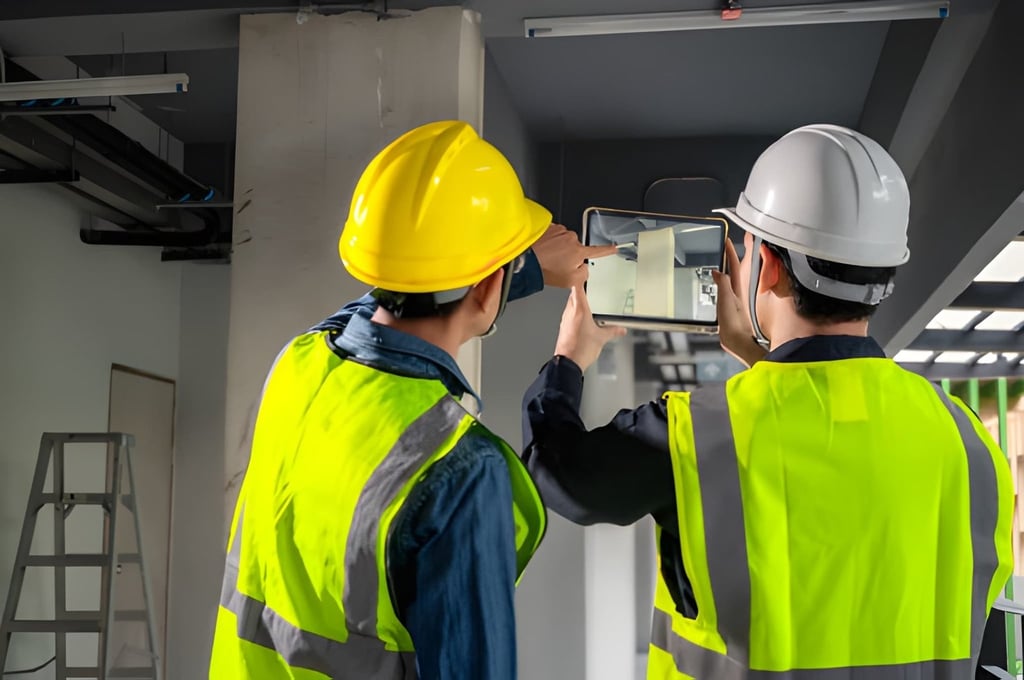
Construction has always been a complex industry. Every project involves countless moving parts, from design and planning to procurement, coordination, and on-site execution. When everything works together, progress feels smooth and predictable. But when communication breaks down or information gets lost, even a small issue can snowball into costly delays and frustration.
If you've ever worked on a construction project, you've probably experienced that moment when different teams are looking at different versions of the same drawing. One update doesn't reach everyone, a clash goes unnoticed, or a measurement turns out to be inaccurate. Suddenly, the project team is spending valuable time solving problems that could have been avoided in the first place.
That's one of the main reasons BIM and construction have become so closely connected in recent years. As projects grow larger and more complex, traditional ways of managing information simply aren't enough. Digital workflows are helping construction professionals collaborate more effectively, reduce mistakes, and deliver projects with greater confidence.
What Is BIM in Construction?
Building Information Modeling, better known as BIM, is a digital process that allows construction professionals to create, manage, and share project information throughout the entire lifecycle of a building or infrastructure asset. While many people associate BIM with 3D models, the reality is that it goes far beyond visualization.
Think of BIM as a central source of truth for a project. Instead of architects, engineers, contractors, and project managers working from separate files and disconnected systems, BIM brings project information together in one coordinated environment. Everyone has access to the same data, making it easier to collaborate and make informed decisions.
This shared approach helps reduce confusion, improve communication, and create a more streamlined workflow from concept through construction and beyond.
Why Traditional Construction Workflows Struggle
For decades, construction projects relied on paper drawings, spreadsheets, emails, and separate software systems to manage information. While these methods served the industry for many years, they often created communication gaps that led to errors and inefficiencies.
A design update might be made by one team but not communicated to another. Site conditions may differ from what appears on the drawings. Important project information can become buried in email chains or scattered across multiple systems. When this happens, project teams spend more time searching for answers than actually moving the project forward.
Here's what makes the situation even more challenging. Construction projects involve many different stakeholders, each with their own responsibilities and priorities. Without a coordinated system for sharing information, misunderstandings become almost inevitable.
That's where digital workflows start to make a significant difference.
How Digital Workflows Improve Project Delivery
One of the biggest benefits of BIM in construction industry projects is improved collaboration. Digital workflows allow project teams to access, update, and share information in real time, reducing the delays that often occur when information is fragmented.
When everyone is working from the same data, decision-making becomes faster and more accurate. Teams can quickly identify changes, track revisions, and coordinate their work without relying on endless meetings or document exchanges.
Digital workflows also improve project visibility. Stakeholders can gain a clearer understanding of project progress, identify risks earlier, and make adjustments before small issues turn into major problems. This level of transparency helps create a more proactive approach to project management.
Reducing Errors and Costly Rework
Few things impact a construction project more than rework. Every time completed work needs to be corrected, schedules slip, budgets increase, and productivity suffers.
Many of these problems can be traced back to poor coordination or inaccurate information. A mechanical system may clash with a structural component. A fabrication detail might not match actual site conditions. A design change may not be reflected across all project documents.
BIM helps address these challenges through improved coordination and clash detection. Before construction even begins, project teams can review digital models and identify potential conflicts between different building systems. Problems that might have gone unnoticed until installation can be resolved during the planning stage instead.
Fixing an issue on a digital model is far less expensive than fixing it on a live construction site. That's one of the reasons BIM continues to gain momentum across the industry.
The Role of Reality Capture and 3D LiDAR Scanning
Accurate information is the foundation of every successful BIM workflow. After all, even the best digital model is only as reliable as the data used to create it.
This is where reality capture technologies such as 3D LiDAR scanning play an important role. By collecting millions of highly accurate measurements from existing environments, LiDAR scanning creates detailed digital representations of real-world conditions.
These scans can be integrated into BIM workflows, allowing project teams to work with information that accurately reflects what exists on site. This is especially valuable for renovation projects, infrastructure upgrades, and complex facilities where existing conditions may differ from historical drawings.
When digital models are built on accurate site data, teams can make better decisions and reduce the risk of costly surprises later in the project.
BIM and the Future of Construction
The construction industry is becoming increasingly digital, and BIM sits at the center of that transformation. Today, BIM is being combined with technologies such as digital twins, cloud-based collaboration platforms, automation tools, and advanced analytics to create smarter project environments.
These innovations are helping organizations improve efficiency, enhance communication, and gain deeper insights into project performance. Rather than simply managing information, project teams can use data to predict challenges, optimize workflows, and improve long-term asset performance.
As technology continues to evolve, digital workflows will likely become a standard part of construction rather than a competitive advantage. Companies that embrace these tools now will be better prepared for the future demands of the industry.
Conclusion
BIM and construction are reshaping the way modern projects are planned, designed, and delivered. By creating a centralized environment for project information, BIM improves collaboration, reduces errors, and helps teams make better decisions throughout the project lifecycle.
As digital workflows continue to evolve, construction professionals are gaining access to tools that make projects more efficient, accurate, and predictable. Whether it's reducing rework, improving communication, or integrating accurate reality capture data, BIM is helping the industry move toward a smarter and more connected future.
FAQs
1. What does BIM stand for?
BIM stands for Building Information Modeling.
2. Is BIM only used during the design phase?
No. BIM can be used throughout planning, design, construction, operation, and maintenance.
3. Why is BIM important in construction?
It improves collaboration, reduces errors, and helps teams make better decisions.
4. How does BIM reduce project rework?
BIM identifies clashes and coordination issues before construction begins.
5. Can BIM improve project communication?
Yes. It provides a centralized source of information for all project stakeholders.
6. What is clash detection in BIM?
Clash detection identifies conflicts between building systems before construction starts.
+61 407 923 777
steve@scanbuild.com.au
Newcastle | Hunter | Central Coast | Sydney
© 2026 ScanBuild. All Rights Reserved. | Privacy Policy | Terms & Conditions


Peace of Mind.


REACH US